Sodium Carbonate SDS, MSDS Sheet |
Muby Chemicals of Mubychem Group, established in 1976, is the original manufacturers of Specialty Chemicals, Pharmaceutical Excipient, Fragrance Food & Flavor chemicals, Reagent Grade Chemicals, Shale Gas Fracturing Chemicals in India. Mubychem Group has several manufacturing facilities spread across Western India and world wide contacts and toll manufacturers. We are exporting globally to countries like USA, Canada, Europe, UAE, South Africa, Tanzania, Kenya, Egypt, Nigeria, Cameroon, Uganda, Turkey, Mexico, Brazil, Chile, Argentina, Dubai, Korea, Vietnam, Thailand, Malaysia, Indonesia, Australia, China, Germany, France, Italy, Portugal, Bangladesh, etc. The products are offered as per required specifications and in correct shape and size in mm or meshs or microns as specified by the buyer. The participating units have one or more accreditations like FDA - cGMP and GLP approval, ISO-9001 Certified, "REACH" Registered, ISO-14001, ISO/IEC 17025, ISO-22000, FSSC 22000, ISO 45001, Kosher Certified, Halal Certified, HACCP, FSSAI. We offer Commercial Pure & IP BP EP Ph Eur USP NF JP FCC Food Grade Analytical Reagent Grades of Chemicals |
| Bookmark this Web Site |







Search our website here:
 ---------







Buy Sodium Carbonate; Door Delivery
Sodium Carbonate BP USP NF Analytical Reagent IP FCC Food grade Manufacturers Specifications
Sodium Carbonate or Soda Ash SDS, Safety Data Sheet
MSDS Sheet, Material Safety Data Sheet 05-Dec-20
Section 1: Chemical Product and Company Identification
Product Name & Other Names: Sodium carbonate or Soda ash.
CAS#: 497-19-8
EINECS EC Number: 207-838-8
Chemical Formula: Na2CO3
Molecular Weight: 105.99
Relevant uses and uses advised against (if any): Laboratory Chemicals and Industrial Manufacturing Use.
Supplier: As per letterhead.
Section 2: Hazards Identification
GHS, Globally Harmonized System Classification in accordance with 29 CFR 1910
Classification according to Regulation (EC) No 1272/2008
Skin irritation (Category 3), H316
Eye irritation (Category 2A), H319
Labeling according GHS USA & Regulation (EC) No 1272/2008
GHS Label Elements 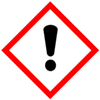 Irritant |
Signal Words: Warning
Hazard statements:
H316: Causes mild skin irritation.
H319: Causes serious eye irritation.
Precautionary statements:
P262: Do not get in eyes, on skin, or on clothing.
P264: Wash skin thoroughly after handling.
P280: Wear protective gloves/protective clothing/eye protection/face protection.
P273: Avoid release to the environment.
P312: Call a POISON CENTER or doctor/physician if you feel unwell.
P332+313: If skin irritation occurs: Get medical advice/attention.
P302+P352: IF ON SKIN: Wash with plenty of soap and water.
P305+P351+P338: IF IN EYES: Rinse cautiously with water for several minutes. Remove contact lenses, if present and easy to do. Continue rinsing.
P337+P313: If eye irritation persists: Get medical advice/ attention.
Classification according to EU Directives 67/548/EEC or 1999/45/EC:
Hazard Symbol:
Xi Irritant
Risk Phrase:
R36 Irritating to eyes.
Section 3: Composition and Information on Ingredients
Product Name & Other Names: Sodium carbonate or Soda ash.
CAS #: 497-19-8
EINECS EC Number: 207-838-8
% by Weight: It may have water of crystallization.
Section 4: First Aid Measures
Always seek medical attention after first aid measures are provided.
Eye Contact: Check for and remove any contact lenses. In case of contact, immediately flush eyes with plenty of water for at least 15 minutes. Cold water may be used. Get medical attention.
Skin Contact: In case of contact with Sodium carbonate, immediately flush skin with plenty of water. Cover the irritated skin with an emollient. Remove contaminated clothing and shoes. Cold water may be used. Wash clothing before reuse. Thoroughly clean shoes before reuse. Get medical attention.
Serious Skin Contact: Wash with a disinfectant soap and cover the contaminated skin with an anti-bacterial cream. Seek immediate medical attention.
Inhalation: If Sodium carbonate is inhaled, remove to fresh air. If not breathing, give artificial respiration. If breathing is difficult, give oxygen. Get medical attention.
Ingestion: Do NOT induce vomiting unless directed to do so by medical personnel. Never give anything by mouth to an unconscious person. Loosen tight clothing such as a collar, tie, belt, or waistband. Get medical attention if symptoms appear.
Section 5: Fire and Explosion Data
Flammability of the Product: Non-flammable.
Products of Combustion: Emits Na2O fumes when heated to decomposition.
Fire Hazards in Presence of Various Substances: Not applicable.
Fire Fighting Media and Instructions: Not applicable.
Special Remarks on Fire Hazards: Sodium carbonate can ignite and burn fiercely in contact with fluoride. Sodium Carbonate in contact with fluorine decomposed at ordinary temperature with incandescence.
Special Remarks on Explosion Hazards: Reacts explosively with red-hot aluminum metal. Sodium carbonate + ammonia in Arabic gum solution will explode.
Special Information: In the event of a fire, wear full protective clothing and NIOSH-approved self-contained breathing apparatus with full face piece operated in the pressure demand or other positive pressure mode. At high temperatures under fire conditions, it may produce toxic or irritating fumes. Fire-extinguishing work is done from the windward and the suitable fire-extinguishing method according to the surrounding situation is used. Uninvolved persons should evacuate to a safe place.
Section 6: Accidental Release Measures
Personal precautions, protective equipment, and emergency procedures: Avoid breathing dust/fumes/gas/mist/vapors/spray. Use individual protective equipment (waterproof boots, suitable protective clothing, safety glasses, etc.). Restrict unprotected personnel from the area. Prevent any contact with hot surfaces. Do not approach facing the wind. Do not touch the spilled material.
Environmental precautions: Do not let the product enter drains, soil, or water sources.
Methods and materials used for containment Cleanup procedures and Storage:
Small Spill: Use appropriate tools to put the spilled solid in a convenient waste disposal container. If necessary: Neutralize the residue with a dilute solution of acetic acid. Finish cleaning by spreading water on the contaminated surface and dispose of according to legal requirements.
Large Spill: Do not inhale vapors, mist, or gas. Avoid dust formation. Contain spilled material. Cover with an inert, non-combustible absorbent material, (e.g. sand, earth, diatomaceous earth, vermiculite). Use a shovel to put the material into a convenient waste disposal container. Finish cleaning by spreading water on the contaminated surface and allow to evacuate as per law.
Section 7: Handling and Storage
Precautions for safe handling: Apply according to good manufacturing and industrial hygiene practices. Ensure proper ventilation. In case of insufficient ventilation, wear suitable respiratory equipment. Wash thoroughly after handling. Do not drink, eat, or smoke while handling. Avoid contact with skin, eyes, and clothing. Minimize dust generation. Avoid breathing dust/fumes/gas/mist/vapors/spray. Avoid contact with eyes, skin, and clothing. Keep container tightly closed. Avoid ingestion and inhalation. Use individual protective equipment (waterproof boots, suitable protective clothing, safety glasses, etc.). Prevent any contact with hot surfaces.
Conditions for safe storage, including any incompatibilities: Store in cool, dry, and ventilated area away from heat sources and protected from sunlight in tightly closed original container. Keep air contact to a minimum. Store protected from heat, sparks and ignition sources and incompatible materials. Avoid contact with skin and eyes. Avoid inhalation of dust/mist/vapor. Do not store with incompatible materials like strong oxidizing agents, Aluminum powder, acids, fluorine, molten lithium.
Section 8: Exposure Controls/Personal Protection
Engineering Controls: Use process enclosures, local exhaust ventilation, or other engineering controls to keep airborne levels below recommended exposure limits. If user operations generate dust, fume, or mist, use ventilation to keep exposure to airborne contaminants below the exposure limit.
Ventilation System: A system of local and/or general exhaust is recommended to keep employee exposures as low as possible. Local exhaust ventilation is generally preferred because it can control the emissions of the contaminant at its source, preventing dispersion of it into the general work area.
Personal Respirators (NIOSH Approved): For conditions of use where exposure to dust or mist is apparent and engineering controls are not feasible, a particulate respirator may be worn. For emergencies or instances where the exposure levels are not known, use a full-face positive-pressure, air-supplied respirator.
Skin Protection: Wear protective gloves and clean body-covering clothing.
Eye Protection: Use chemical safety goggles and/or full face shield where dusting or splashing of solutions is possible. Maintain eye wash fountain and quick-drench facilities in work area.
Other Control Measures: Maintain good housekeeping in work area. Dust deposits on floors and other surfaces may pick up moisture and cause the surfaces to become slippery and present safety hazards. Handle in accordance with good industrial hygiene and safety practice. Wash hands after handling.
Section 9: Physical and Chemical Properties
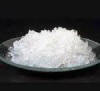
Physical state and appearance: Solid. (White powder.)
Odor: Odorless.
Odor threshold: Not available.
pH (1% soln/water): 11.4 [Basic.]
Relative density: around 2.51
Melting Point: 851C (1563.8F)
Initial boiling point and boiling range: Not available.
Flash point: Not available.
Auto-ignition temperature: Not available.
Decomposition temperature: Not available.
Upper/lower flammability or explosive limits: Not available.
Vapor pressure: Not available.
Vapor density: Not available.
Evaporation rate: Not available.
Flammability (solid, gas): Not available.
Partition coefficient: n-octanol/water: Not available.
Solubility: Soluble in hot water, glycerol.
Viscosity: Not available.
Chemical Formula: Na2CO3
Molecular Weight: 105.99
Section 10: Stability and Reactivity Data
Stability: Stable. Incompatible with moisture.
Incompatibility with various substances: Reactive with acids. Materials to Avoid: Aluminum powder, acids, fluorine, molten lithium.
Polymerization: Will not occur.
Section 11: Toxicological Information
Toxicity to Animals:
WARNING: THE LC50 VALUES HEREUNDER ARE ESTIMATED ON THE BASIS OF A 4-HOUR EXPOSURE.
Acute oral toxicity (LD50): 4090 mg/kg [Rat].
Acute toxicity of the dust (LC50): 1200 mg/m3 2 hours [Mouse].
Carcinogenicity: No component of this product present at levels greater than or equal to 0.1% is identified as possible or confirmed human carcinogen by IARC, ACGIH, OSHA and NTP.
Teratogenic Effects: Not available.
Mutagenic Effects: Not available.
Developmental Toxicity: Not available.
Reproductive Effects: No information available.
Section 12: Ecological Information
LC50 fishes 1: 300 mg/l
LC50 fish 2: 740 mg/l
EC50 Daphnia 1: 265 mg/l
Persistence and Degradability: No information available.
Mobility: No information available.
Bioaccumulation/ Accumulation: No information available.
Results of PBT and vPvB assessment: No data available for assessment.
Section 13: Disposal Considerations
Waste Disposal: Waste must be disposed of in accordance with state and local regulations.
Section 14: Transport Information
DOT USA, TDG Canada & ADR/RID Europe: Not dangerous goods.
IMDG/IMO: Not dangerous goods.
IATA/ICAO: Not dangerous goods.
Section 15: Other Regulatory Information
USA Regulations:
Section 313: This product does not contain any chemicals which are subject to the reporting requirements of the Act and Title 40 of the Code of Federal Regulations, Part 372
SARA 311/312 Hazard Categories: Acute health hazard. See section 2.
California Proposition 65: This product does not contain any Proposition 65 chemicals.
16. ADDITIONAL INFORMATION
European Labeling in Accordance with EC Directives:
H316: Causes mild skin irritation
H319: Causes serious eye irritation
Classification according to EU Directives 67/548/EEC or 1999/45/EC:
Hazard Symbol:
Xi Irritant
Risk Phrase:
R36 Irritating to eyes.
DISCLAIMER: The information and recommendations set forth herein are presented in good faith and believed correct as of the date hereof. It is compiled from various sources and it is not necessarily all inclusive nor fully adequate in every circumstance. In addition, these suggestions should not be confused with nor followed in violation of applicable laws, regulations, rules or insurance requirements applicable. This MSDS sheet is intended only as a guide to the appropriate precautionary handling of the material by a properly trained person using this product. Individuals receiving the information must exercise their independent judgment in determining its appropriateness for a particular purpose.
Contact
MUBY CHEMICALS
Ambernath Mumbai, Ankleshwar Gujarat, India
TEL: (OFFICE) +912265290100, +912265290101
Current Date Time in India GMT+5:30
e-mail: info@mubychem.com
USA, Canada, Mexico and other American neighbouring buyers may
e-mail: us@mubychem.com
Call toll-free 1-877-682-9243 (1-877-MUBYCHEM)

Copyright and Usual Disclaimer is Applicable.
Last 17 January, 2026


Exporters to USA Canada UAE Europe South Africa Tanzania Kenya Uganda Egypt Nigeria Turkey Mexico Brazil Argentina Chile Dubai etc.
I shall pass through this world, but once. If therefore, there is any good that I can do, or if there is any favor that I can show to a fellow human being, let me do it now. Let me not defer or neglect it. For I shall not tread this way again