Zolpidem Tartrate BP Ph Eur EP IP USP Grade Manufacturers, with SDS GHS MSDS Sheet |
Supplier, Manufacturer, Exporter of Zolpidem Tartrate BP Ph Eur EP IP USP Grade, Muby Chemicals of Mubychem Group, established in 1976, is the original manufacturers of Specialty Chemicals, Pharmaceutical Excipient, Fragrance Food & Flavor chemicals, Reagent Grade Chemicals, Shale Gas Fracturing Chemicals in India. Mubychem Group has several manufacturing facilities spread across Western India and world wide contacts and toll manufacturers. We are exporting globally to countries like USA, Canada, Europe, UAE, South Africa, Tanzania, Kenya, Egypt, Nigeria, Cameroon, Uganda, Turkey, Mexico, Brazil, Chile, Argentina, Dubai, Korea, Vietnam, Thailand, Malaysia, Indonesia, Australia, China, Germany, France, Italy Portugal, Bangladesh, etc. The products are offered as per required specifications and in correct shape and size in mm or meshs or microns as specified by the buyer. The participating units have one or more accreditations like FDA - cGMP and GLP approval, ISO-9001 Certified, "REACH" Registered, ISO-14001, ISO/IEC 17025, ISO-22000, FSSC 22000, ISO 45001, Kosher Certified, Halal Certified, HACCP, FSSAI. We offer Commercial Pure & IP BP EP Ph Eur USP NF JP FCC Food Grade Analytical Reagent Grades of Chemicals |
| Bookmark this Web Site -- or -- Email This Page Info to a Colleague or Yourself |







Search our website here:
 ---------







Zolpidem Tartrate CAS Number 99294-93-6, EINECS EC Number: 629-694-9, Molecular Formula: C42H48N6O8, Molecular Weight: 764.9, HS Code 29420090 or 29339965
How big is your requirement or how small
We serve it all.
Specifications, Safety Data Sheet, Manufacturing process details, Wholesale retail buy sell prices, Uses etc available on line in these pages for Zolpidem Tartrate.
For SDS MSDS Sheet Click
SDS MSDS Sheet of Zolpidem Tartrate Manufacturers
Zolpidem Tartrate
BP Ph Eur EP IP USP Grade Suppliers
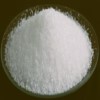
Zolpidem Tartrate is a sedative-hypnotic medication primarily used for the short-term treatment of insomnia, specifically helping adults fall asleep faster. It works by enhancing the activity of GABA, a neurotransmitter that slows brain activity.
General Properties and Specifications of Zolpidem Tartrate:
Appearance: White or almost white, hygroscopic, crystalline powder.
Assay: 98.5% minimum.
Melting Point: 193C to 197C literature.
Solubility: Slightly soluble in water, sparingly soluble in methanol, practically insoluble in methylene chloride.
Storage: In an airtight container, protected from light. Store at controlled room temperature.
Zolpidem Tartrate BP Ph Eur Grade Specifications:
C42H48N6O8 --- 765 CAS 99294-93-6
Action and use: Non-benzodiazepine hypnotic.
Preparation: Zolpidem Tablets.
DEFINITION
Bis[N,N-dimethyl-2-[6-methyl-2-(4-methylphenyl)imidazo[1,2-a]pyridin-3-yl]acetamide] (2R,3R)-2,3-dihydroxybutanedioate.
Content: 98.5 per cent to 101.0 per cent (anhydrous substance).
CHARACTERS
Appearance: White or almost white, hygroscopic, crystalline powder.
Solubility: Slightly soluble in water, sparingly soluble in methanol, practically insoluble in methylene chloride.
IDENTIFICATION
First identification: A, C
Second identification: B, C
A. Infrared absorption spectrophotometry.
B. Thin-layer chromatography.
C. Dissolve about 0.1 g in 1 mL of methanol heating gently. 0.1 mL of this solution gives reaction of tartrates.
TESTS
Appearance of solution: The solution is clear and not more intensely coloured than reference solution.
Related substances: To pass the test by Liquid chromatography.
Water: Maximum 3.0 per cent, determined on 0.50 g.
Sulfated ash: Maximum 0.1 per cent, determined on 1.0 g.
Storage: In an airtight container, protected from light.
Zolpidem Tartrate USP Grade Specifications:
(C19H21N3O)2-C4H6O6 --- 764.87
Imidazo[1,2-a]pyridine-3-acetamide, N,N,6-trimethyl-2-(4-methylphenyl)-, [R-(R*,R*)]-2,3-dihydroxybutanedioate;
N,N,6-Trimethyl-2-p-tolylimidazo[1,2-a]pyridine-3-acetamide l-(+)-tartrate
CAS 99294-93-6.
UNII: WY6W63843K
UNII: 7K383OQI23
DEFINITION
Zolpidem Tartrate contains NLT 98.5% and NMT 101.0% of C42H48N6O8, calculated on the anhydrous basis.
IDENTIFICATION
A. Infrared Absorption.
B. The retention time of the major peak of the Sample solution corresponds to that of the Standard solution, as obtained in the test for Organic Impurities.
C. Reaction of Tartrates.
Residue on Ignition: NMT 0.1%
Organic Impurities: To pass the test by chromatography.
Water Determination: NMT 3.0%
Packaging and Storage: Preserve in well-closed containers, and store at controlled room temperature.
We also offer Zolpidem Tartrate EP IP Grade.
For Original Monographs of IP Indian Pharmacopoeia EP Ph Eur European Pharmacopoeia BP British Pharmacopoeia USP US Pharmacopoeia FCC Food Grade product, please check with the respective web-pages or books.
We also manufacture and supply as under:
Manufacturers:
MUBY CHEMICALS
Ambernath Mumbai, Ankleshwar Gujarat, India
TEL: (OFFICE) +91-22-65290100, +91-22-65290101
Current Date Time in India GMT+5:30
e-mail: ask@mubychem.com
USA, Canada, Mexico and other American neighbouring buyers may
e-mail: us@mubychem.com
Call toll-free 1-877-682-9243 (1-877-MUBYCHEM)

Copyright and Usual Disclaimer is Applicable.
Last 31 May, 2026


Exporters to USA Canada UAE Europe South Africa Tanzania Kenya Uganda Egypt Nigeria Turkey Mexico Brazil Argentina Chile Dubai etc.
Global or International Suppliers, Exporters, Importers, Manufacturers
I shall pass through this world, but once. If therefore, there is any good that I can do, or if there is any favor that I can show to a fellow human being, let me do it now. Let me not defer or neglect it. For I shall not tread this way again
Zolpidem Tartrate SDS GHS, Safety Data Sheet
MSDS Sheet, Material Safety Data Sheet 05-May-26
1. Product Identification
Product Name & Other Names: Zolpidem Tartrate.
CAS No.: 99294-93-6
EINECS EC No.: 629-694-9
Molecular Formula: C42H48N6O8
Molecular Weight: 764.9
Relevant uses and uses advised against (if any): Industrial Manufacturing.
Suppliers: As per letterhead.
2. Hazards Identification
GHS, Globally Harmonized System Classification in accordance with 29 CFR 1910
Hazard Class and Category Code(s), Regulation (EC) No 1272/2008 (CLP):
Acute toxicity, Category 4, Oral, H302
Specific target organ toxicity - single exposure, Category 3, Central nervous system, H336
Long-term (chronic) aquatic hazard, Category 2, H411
Labeling according to Regulation (EC) No 1272/2008
GHS Label Elements Irritant | GHS Label Elements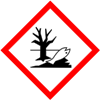 Marine Pollutant |
Signal Words: Danger
Hazard statements:
H302: Harmful if swallowed.
H336: May cause drowsiness or dizziness.
H411: Toxic to aquatic life with long lasting effects.
Precautionary statements:
P210: Keep away from heat/sparks/open flames/hot surfaces – No smoking.
P233: Keep container tightly closed.
P261: Avoid breathing dust/fume/gas/mist/vapors/spray.
P264: Wash … thoroughly after handling.
P270: Do not eat, drink or smoke when using this product.
P271: Use only outdoors or in a well-ventilated area.
P273: Avoid release to the environment.
P280: Wear protective gloves/protective clothing/eye protection/face protection.
P312: Call a POISON CENTER or doctor/physician if you feel unwell.
P301+310: IF SWALLOWED: Immediately call a POISON CENTER or doctor/physician.
P303+361+353: IF ON SKIN (or hair): Remove/Take off immediately all contaminated clothing. Rinse skin with water/shower.
P304+340: IF INHALED: Remove victim to fresh air and keep at rest in a position comfortable for breathing.
P305+351+338: IF IN EYES: Rinse cautiously with water for several minutes. Remove contact lenses if present and easy to do – continue rinsing.
P403+233+235: Store in a well-ventilated place. Keep container tightly closed. Keep cool.
P405: Store locked up.
P501: Dispose of contents/container to authorized agents only.
According to European Directive 67/548/EEC as amended.
Hazard symbols:
Xn = Harmful.
N = Dangerous for the environment.
R-phrases:
R22 Harmful if swallowed.
R67 Vapors may cause drowsiness and dizziness.
R51/53 Toxic to aquatic organisms may cause long-term adverse effects in the aquatic environment.
3. Composition/Information on Ingredients
Product Name & Other Names: Zolpidem Tartrate.
CAS No.: 99294-93-6
EINECS EC No.: 629-694-9
4. First Aid Measures
Always seek medical attention after first aid measures are provided.
Inhalation: Remove to fresh air. If not breathing, give artificial respiration. If breathing is difficult, give oxygen. Get medical attention.
Ingestion: Never give anything by mouth to an unconscious person. Get medical attention.
Skin Contact: Wipe off excess material from skin then immediately flush skin with plenty of water for at least 15 minutes. Remove contaminated clothing and shoes. Get medical attention. Wash clothing before reusing. Thoroughly clean shoes before reusing them. Get medical attention.
Eye Contact: Immediately flush eyes with plenty of water for at least 15 minutes, lifting lower and upper eyelids occasionally. Get medical attention immediately.
5. Fire Fighting Measures
Flammability of the Product: Combustible. Forms explosive mixtures with air at ambient temperatures.
Products of Combustion: Carbon dioxide, Carbon monoxide, Nitrogen oxides, and fumes.
Fire Extinguishing Media: Use water spray or fog. Vapors are heavier than air and may travel to a source of ignition and flashback. Vapors can spread along the ground and collect in low or confined areas. Avoid a solid water jet on the container to prevent any splashing of the product which could cause spreading of the fire. Cool containing vessels with water spray to prevent pressure build-up, auto-ignition, or explosion.
Unsuitable extinguishing media: For this substance/mixture no limitations of extinguishing agents are given. However solid water jet.
Special Information: In the event of a fire, wear full protective clothing and NIOSH-approved self-contained breathing apparatus with full face piece operated in the pressure demand or other positive pressure mode. At high temperatures under fire conditions, it may produce toxic or irritating fumes. Fire-extinguishing work is done from the windward and a suitable fire-extinguishing method according to the surrounding situation is used. Uninvolved people should evacuate to a safe place. Use water spray to cool unopened containers.
6. Accidental Release Measures
Personal precautions, protective equipment, and emergency procedures: Avoid breathing dust/fumes/gas/mist/vapors/spray. Use individual protective equipment (waterproof boots, suitable protective clothing, safety glasses, etc). Restrict unprotected personnel from the area. Prevent any contact with hot surfaces. Do not approach facing the wind. Do not touch the spilled material.
Environmental precautions: Do not let the product enter drains, soil, or water sources.
Methods and materials used for containment, cleanup procedures, and Storage:
Small Spill: Avoid mist formation. Avoid breathing mist. Ensure adequate ventilation. Use appropriate tools to put the spilled solid in a convenient waste disposal container. Finish cleaning by spreading water on the contaminated surface and dispose of according to local and regional authority requirements.
Large Spill: Remove all sources of ignition. Provide proper ventilation. Absorb the material on a porous, inert material such as earth, sand, or vermiculite. Carefully sweep up or swab the material without causing dust/mist. Dispose of it in accordance with local regulations.
7. Handling and Storage
Precautions for safe handling: Apply according to good manufacturing and industrial hygiene practices. Do not ingest. Do not breathe dust, vapor, or mist. Work under hood. Ensure proper ventilation. Provide appropriate exhaust ventilation at places where dust/mist is formed. Wash thoroughly after handling it. Do not drink, eat, or smoke while handling. Avoid contact with skin, eyes, and clothing. Minimize dust generation. Avoid breathing dust/fumes/gas/mist/vapors/spray. Keep container tightly closed. Avoid ingestion and inhalation. Use individual protective equipment (waterproof boots, suitable protective clothing, safety glasses, etc). Prevent any contact with hot surfaces.
Conditions for safe storage, including any incompatibilities: Store in cool, dry, and ventilated area away from heat sources and protected from sunlight in tightly closed original containers. Keep air contact to a minimum. Do not leave the material container open. Store protected from heat, sparks and ignition sources and incompatible materials. Avoid contact with skin and eyes. Avoid inhalation of dust/mist/vapor. Do not store with incompatible materials like oxidizing agents. Keep away from open flames, hot surfaces, and sources of ignition. Storage: In an airtight container, protected from light. Store at controlled room temperature.
8. Exposure Controls/Personal Protection
Airborne Exposure Limits: Contains no substances with occupational exposure limit values.
Ventilation System: A system of local and/or general exhaust is recommended to keep employee exposures as low as possible. Local exhaust ventilation is generally preferred because it can control the emissions of the contaminant at its source, preventing dispersion of it into the general work area.
Personal Respirators (NIOSH Approved): For conditions of use where exposure to dust or mist is apparent and engineering controls are not feasible, a particulate respirator may be worn. For emergencies or instances where the exposure levels are not known, use a full-face positive-pressure, air-supplied respirator.
Skin Protection: Wear protective gloves and clean body-covering clothing.
Eye Protection: Use chemical safety goggles and/or full-face shield where dusting or splashing of solutions is possible. Maintain eye wash fountain and quick-drench facilities in work area.
Other Control Measures: Maintain good housekeeping in work area. Handle in accordance with good industrial hygiene and safety practice. Wash hands after handling.
9. Physical and Chemical Properties
Appearance: White or almost white, hygroscopic, crystalline powder.
Odor: Not available.
Odor threshold: Not available.
pH: Not available.
Relative density: Not available.
Boiling Point: Not available.
Melting Point: 193C to 197C literature.
Flash Point: Not available.
Auto-ignition Temperature: Not available.
Decomposition temperature: Not available.
Upper/lower flammability or explosive limits: Not available.
Vapor pressure: Not available.
Vapor density: Not available.
Evaporation rate: Not available.
Flammability (solid, gas): Not available.
Partition coefficient: n-octanol/water: Not available.
Solubility: Slightly soluble in water, sparingly soluble in methanol, practically insoluble in methylene chloride.
Viscosity: Not available.
Molecular Formula: C42H48N6O8
Molecular Weight: 764.9
10. Stability and Reactivity
Stability: Stable under recommended conditions of use and storage. Forms explosive mixtures with air at ambient temperatures.
Hazardous Decomposition Products: It emits Carbon dioxide, Carbon monoxide, Nitrogen oxides and fumes.
Hazardous Polymerization: Not reported.
Incompatibilities: Oxidizing agents.
Conditions to Avoid: Exposure to moisture, exposure to air, heat, flames, sunlight, air, static discharge, and sparks. Extremes of temperature and direct sunlight.
11. Toxicological Information
Toxicity data
Oral-Rat LD50: 1030 mg kg.
Carcinogenicity: No information found.
Epidemiology: No information found.
Teratogenicity: No information found.
Reproductive Effects: No information found.
Mutagenicity: No information found.
Neurotoxicity: No information found.
May cause drowsiness or dizziness.
12. Ecological Information
Toxicity to fish: LC50 - Oncorhynchus mykiss (rainbow trout) - 22 mg/l - 96 h.
Toxic to aquatic life with long lasting effects.
Persistence and Degradability: Not readily degradable.
Mobility: No information found.
Bioaccumulation/ Accumulation: No information available.
u>Results of PBT and vPvB assessment: No data available for assessment.
13. Disposal Considerations
Whatever cannot be saved for recovery, or recycling should be managed in an appropriate and approved waste disposal facility. Processing use or contamination of this product may change the waste management options. State and local disposal regulations may differ from federal disposal regulations. Dispose of containers and unused contents in accordance with federal, state, and local requirements.
14. Transport Information
USA DOT Classification:
UN Number: UN 3077, Hazard Class: 9, Packing Group: III.
Shipping Name: Environmentally hazardous substance, solid, n.o.s. (o-Tolidine).
Canada TDG Classification:
UN Number: UN 3077, Hazard Class: 9, Packing Group: III.
Shipping Name: Environmentally hazardous substance, solid, n.o.s. (o-Tolidine).
IATA, IMO & ADR/RID
UN Number: UN 3077, Hazard Class: 9, Packing Group: III.
hipping Name: Environmentally hazardous substance, solid, n.o.s. (o-Tolidine).
15. Regulatory Information
USA:
SARA 311/312 Hazards: Acute Health Hazard, Chronic Health Hazard. See section 2.
16. Other Information
European Labeling in Accordance with EC Directives:
H302: Harmful if swallowed.
H336: May cause drowsiness or dizziness.
H411: Toxic to aquatic life with long lasting effects.
According to European Directive 67/548/EEC as amended.
Hazard symbols:
Xn = Harmful.
N = Dangerous for the environment.
R-phrases:
R22 Harmful if swallowed
R67 Vapors may cause drowsiness and dizziness.
R51/53 Toxic to aquatic organisms, may cause long-term adverse effects in the aquatic environment.
Disclaimer:
**************************
Our company provides this MSDS sheet in good faith but makes no representation as to its comprehensiveness or accuracy. This SDS sheet is intended only as a guide to the appropriate precautionary handling of the material by a properly trained person using this product. The above information has been compiled from various sources and has the possibility of discrepancy and being out-dated information. Individuals receiving the information must exercise their independent judgment and do further search in determining its appropriateness for a particular purpose. In no case shall our company be liable to loss or damages by the product user.
**************************